










Belt Conveyors (Beef)
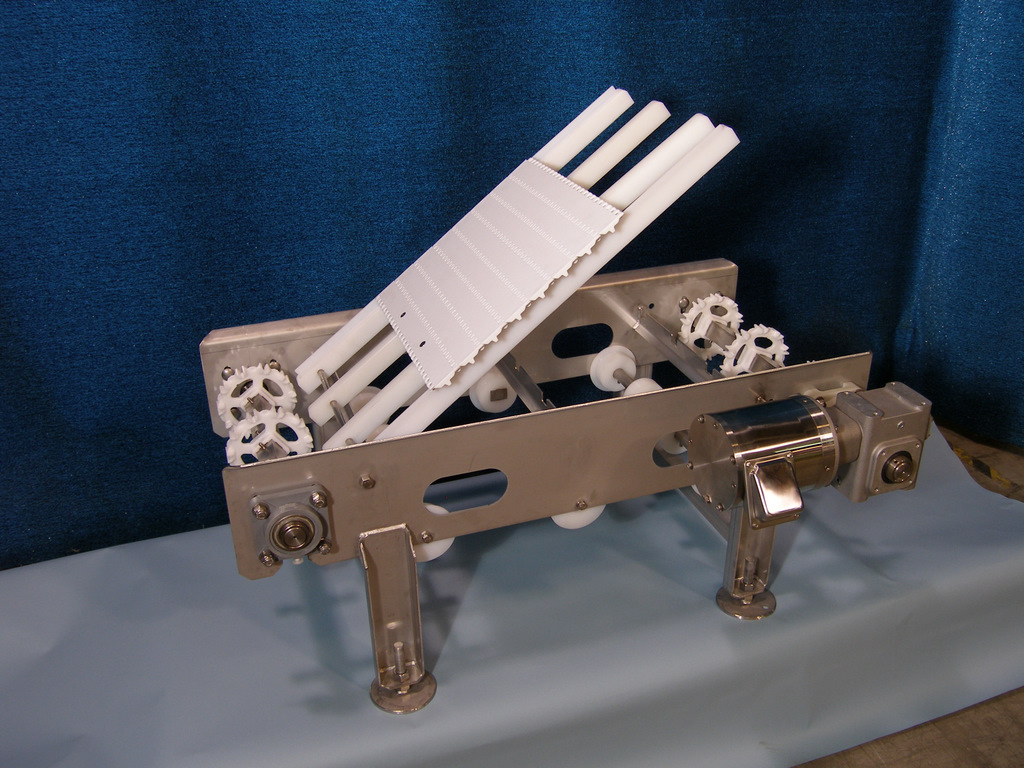
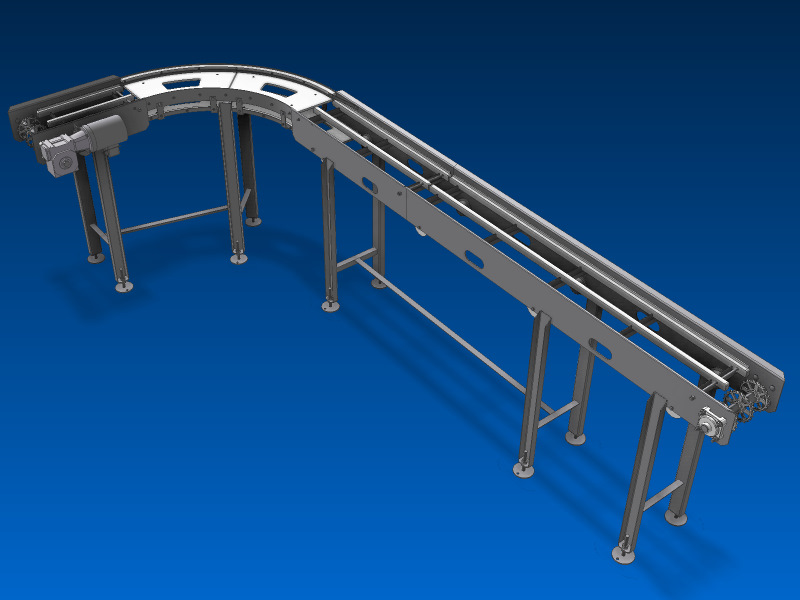
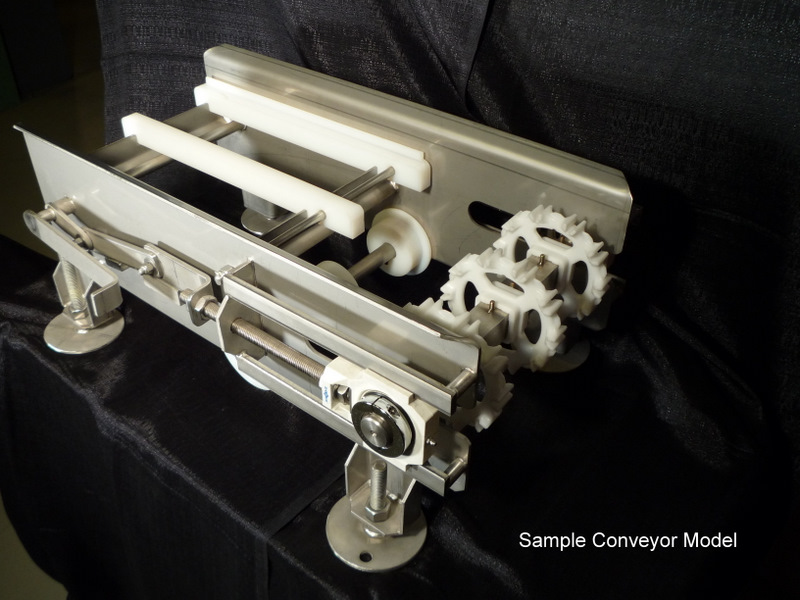
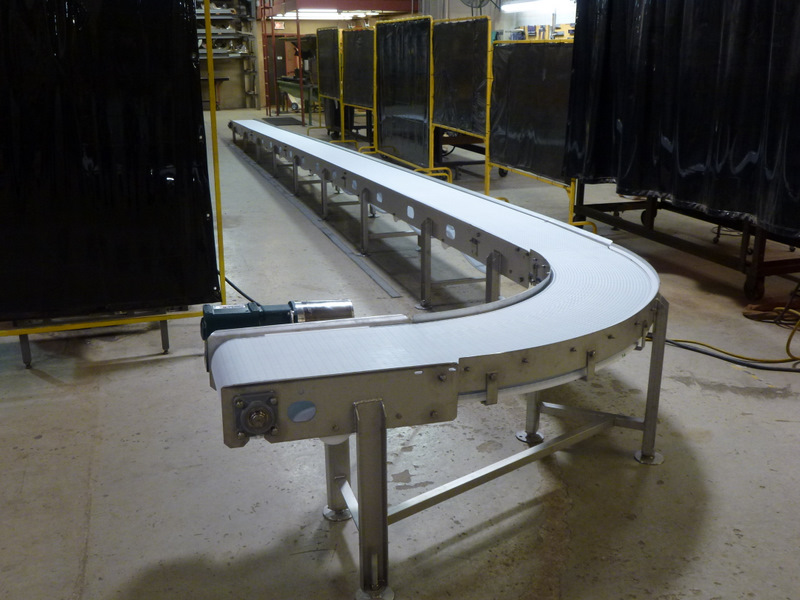
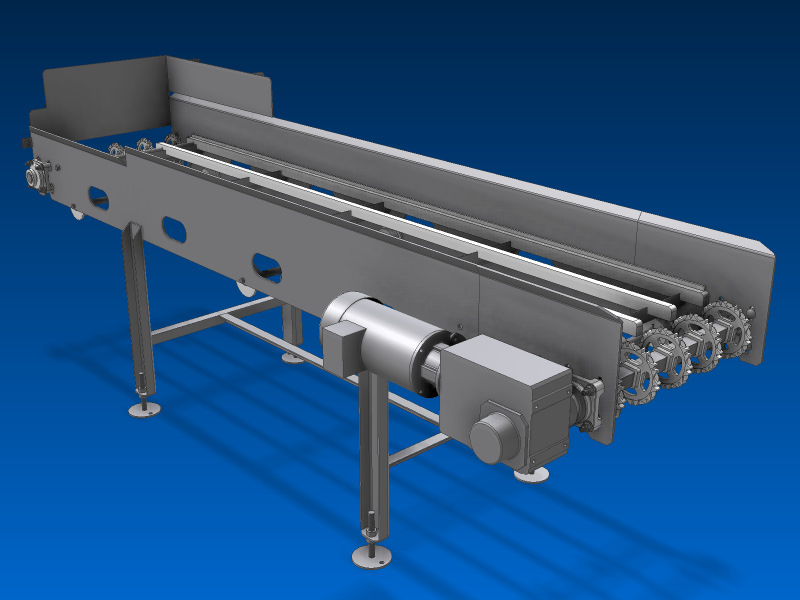
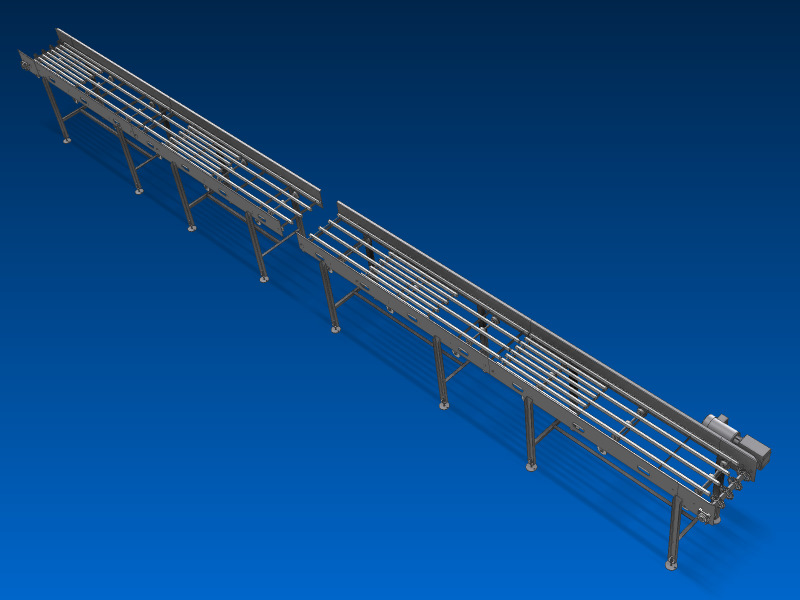
Our line of custom belt conveyors are used throughout Beef Further Processing. They have Safety and Sanitary Designs as standard features and all our belt conveyors are customizable by length, width, height, angle, and belt type. Our high quality conveyor's top features include heavy duty stainless steel construction with sanitary welding, high quality parts, and a sanitary design using only open-channel components. Some of your belt options are Cleated, Stainless Steel Mesh, Smooth, Textured, etc., and if needed, we are a licensed Intralox ARB™ supplier. We can manufacture most any custom width, length and angle you need. See Belt Conveyors under Support Equipment and Services for more details.
Features:
- "In-House" Passivation
 Passivation treatment is intended to improve the surface condition of stainless steel by dissolving iron that has been embedded in the surface during forming or machining. If allowed to remain, the iron can corrode and give the appearance of rust spots on the stainless steel. Passivation restores the original corrosion-resistant surface by forming a thin, transparent oxide film and is the preferred method for the sanitary durability of stainless steel. Millard has one of the largest "In-House" Passivation operations available for our customer's fabricated items. See our case study on passivation for details. Finish for Sanitary Durability
 - 7 ga. Heavy Duty Stainless Steel
- Sanitary wash-down duty
- Open Channel Construction - No tubing
- High-wear guides - USDA approved
- Heavy Duty Motors and Gear Boxes
- Tension Release and belt lifting mechanisms
- Motor Torque arm is a standard safety feature
- 1/2" Bearing Standoffs
- Central and End Drive placement options
- Quick-Drop replacement features
- Repair parts available


Hydraulic Barrel Dumper
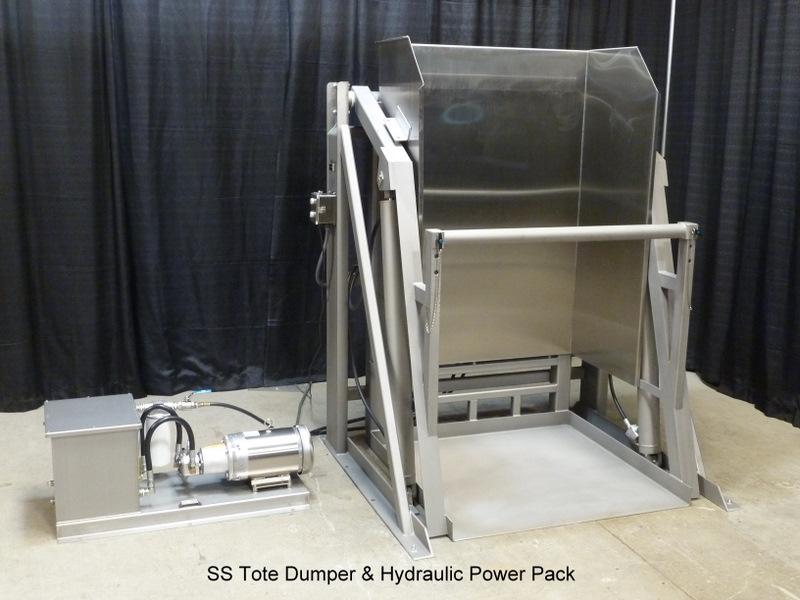
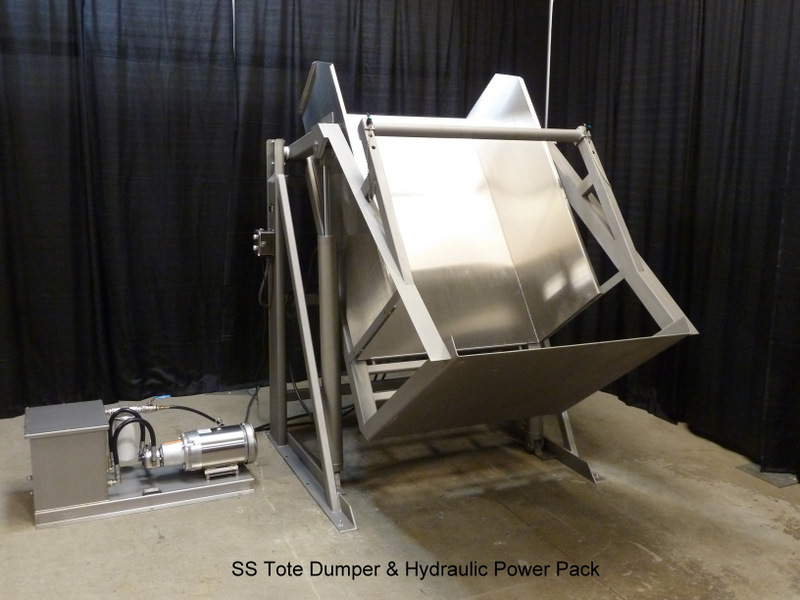
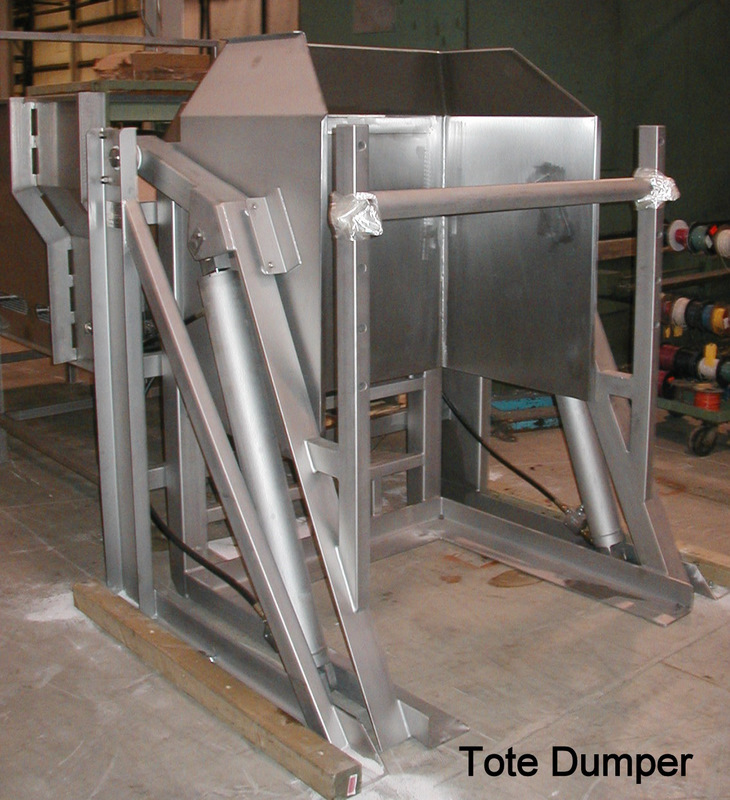
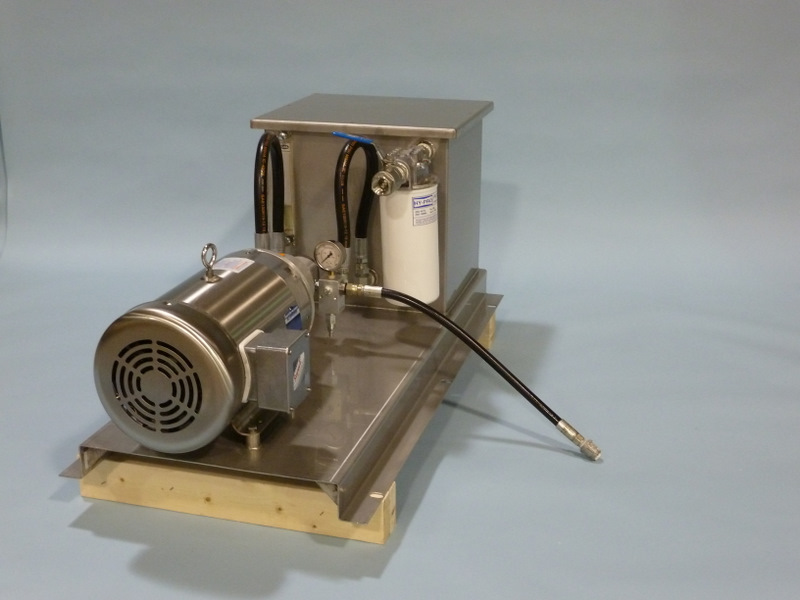
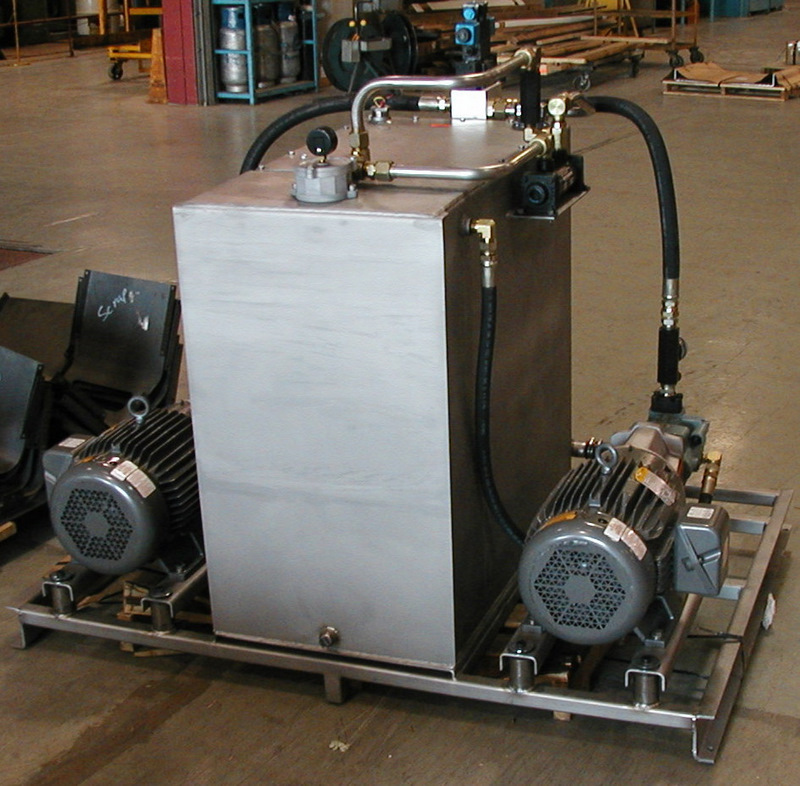
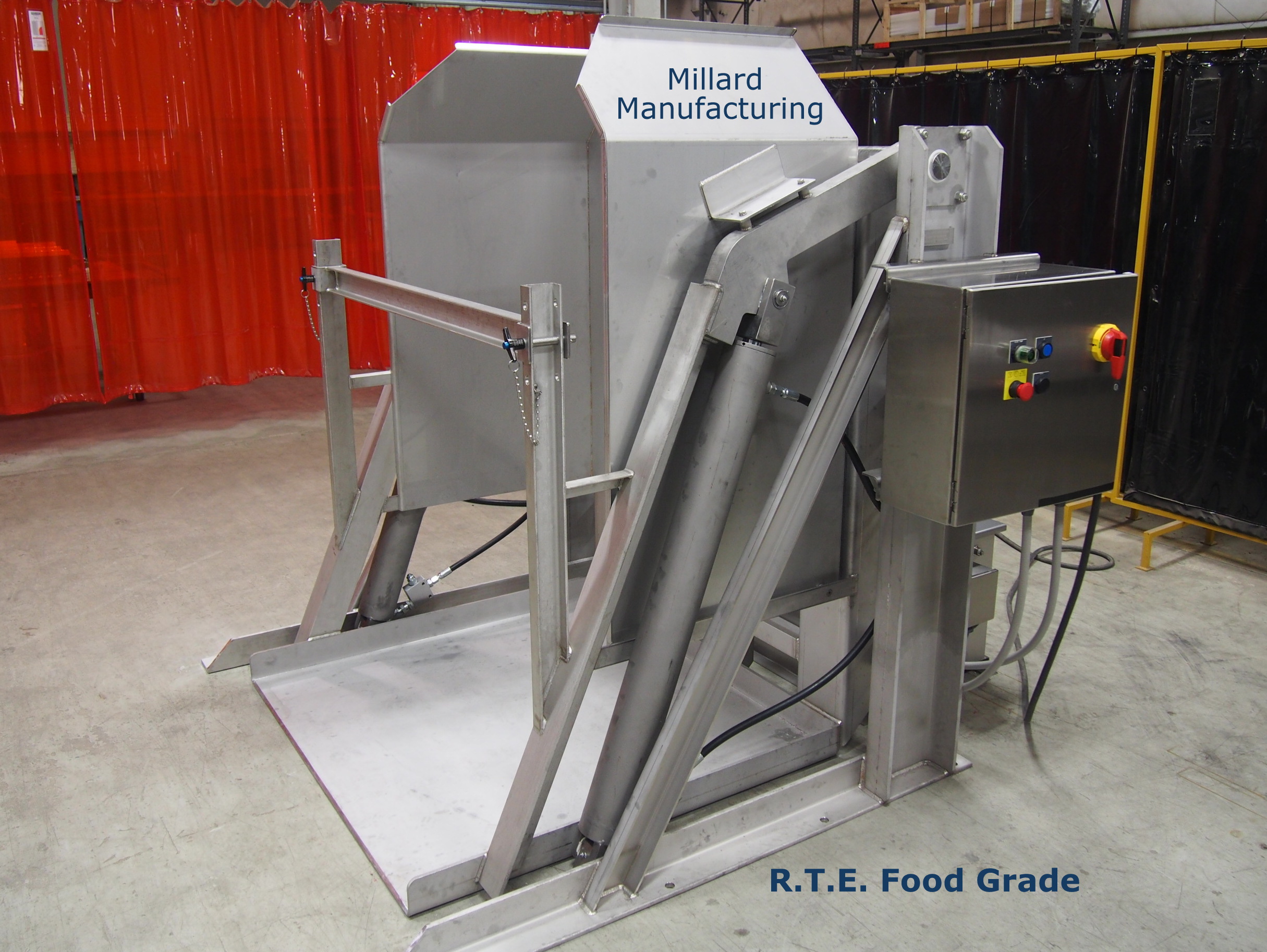
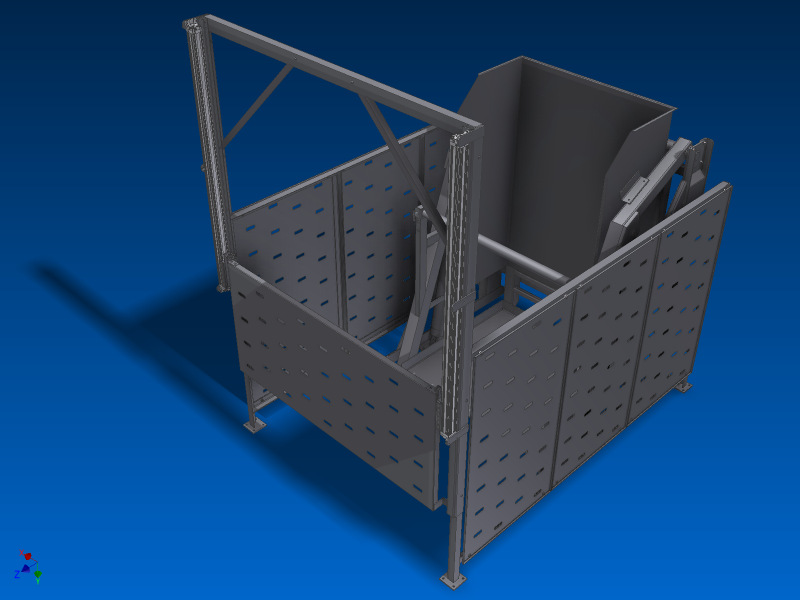
Millard's Hydraulic Barrel Dumper has a wide variety of uses in many food industries. Our unit is all stainless steel heavy duty and provides a smooth, efficient, clean, reliable, safe and sanitary method for dumping barrels and drums. The unit is constructed of heavy duty stainless steel material and is provided as a complete system with or without a stainless hydraulic power pack. The power pack can be configured and located to suit your needs.
Features:
- Heavy Duty Stainless Steel Construction
- Hydraulic Power Pack option
- 3 - 5 HP Motor
- 36-48" standard dump height (custom heights available)
- Safety Guarding custom fit per your requirements
- Broad Range of Load Capacities (500-1,500# std)
- (2) Hydraulic Lift Cylinders designed for dumping applications
- Control Valves
- Push Button Controls
- Unit can be customized to fit process or special containers as needed
-
"In-House" PassivationPassivation treatment is intended to improve the surface condition of stainless steel by dissolving iron that has been embedded in the surface during forming or machining. If allowed to remain, the iron can corrode and give the appearance of rust spots on the stainless steel. Passivation restores the original corrosion-resistant surface by forming a thin, transparent oxide film and is the preferred method for the sanitary durability of stainless steel. Millard has one of the largest "In-House" Passivation operations available for our customer's fabricated items. See our case study on passivation for details. Finish for Sanitary Durability
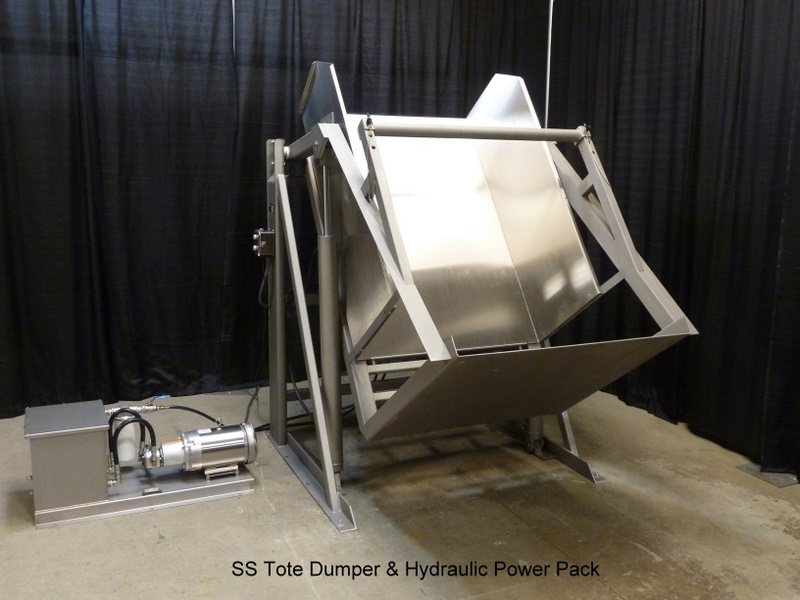
Hydraulic Combo Dumper
Millard's Hydraulic Combo Dumper is similar to our Vat Dumper and has a wide variety of uses in many food industries. Our unit is all heavy duty stainless steel and provides a smooth, efficient, clean, reliable, safe and sanitary method for dumping your products. We provide the system complete with a stand alone stainless steel hydraulic power pack that can be configured and located to suit your needs. We can also provide Vat and Barrel dumpers as needed.
Features:
- HD Stainless Steel Construction
- Hydraulic Power Pack option
- 3 - 5 HP Motor
- 36-48" standard dump height (custom heights available)
- Safety Guarding custom fit per your requirements
- Broad Range of Load Capacities (1,500-2,500 lbs)
- (2) Hydraulic Lift Cylinders designed for dumping applications
- Control Valves
- Push Button Controls
- Customized to fit process or special containers as needed
-
"In-House" PassivationPassivation treatment is intended to improve the surface condition of stainless steel by dissolving iron that has been embedded in the surface during forming or machining. If allowed to remain, the iron can corrode and give the appearance of rust spots on the stainless steel. Passivation restores the original corrosion-resistant surface by forming a thin, transparent oxide film and is the preferred method for the sanitary durability of stainless steel. Millard has one of the largest "In-House" Passivation operations available for our customer's fabricated items. See our case study on passivation for details. Finish for Sanitary Durability

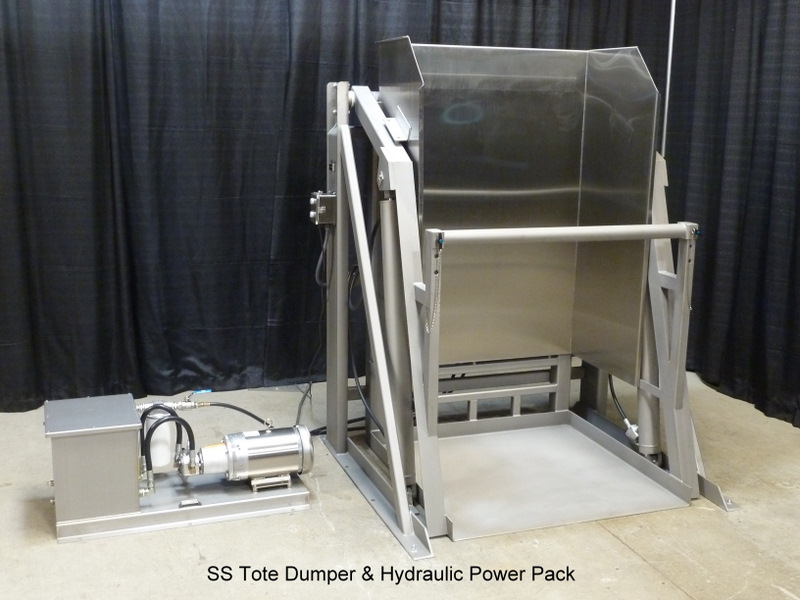
Hydraulic Vat Dumper
Millard's Hydraulic Vat Dumper is similar to our Combo Dumper and has a wide variety of uses in many food industries. Our unit is all heavy duty stainless steel and provides a smooth, efficient, clean, reliable, safe and sanitary method for dumping your products. We provide the system complete with a stand alone stainless steel hydraulic power unit. We can also provide Combo and Barrel dumpers as needed.
Features:
- Heavy Duty Stainless Steel Construction
- Hydraulic Power Pack option
- 3 - 5 HP Motor
- 36-48" standard dump height (custom heights available)
- Safety Guarding custom fit per your requirements
- Broad Range of Load Capacities (1,500-2,500 lbs)
- (2) Hydraulic Lift Cylinders designed for dumping applications
- Control Valves
- Push Button Controls
- Customized to fit process or special containers as needed
-
"In-House" PassivationPassivation treatment is intended to improve the surface condition of stainless steel by dissolving iron that has been embedded in the surface during forming or machining. If allowed to remain, the iron can corrode and give the appearance of rust spots on the stainless steel. Passivation restores the original corrosion-resistant surface by forming a thin, transparent oxide film and is the preferred method for the sanitary durability of stainless steel. Millard has one of the largest "In-House" Passivation operations available for our customer's fabricated items. See our case study on passivation for details. Finish for Sanitary Durability
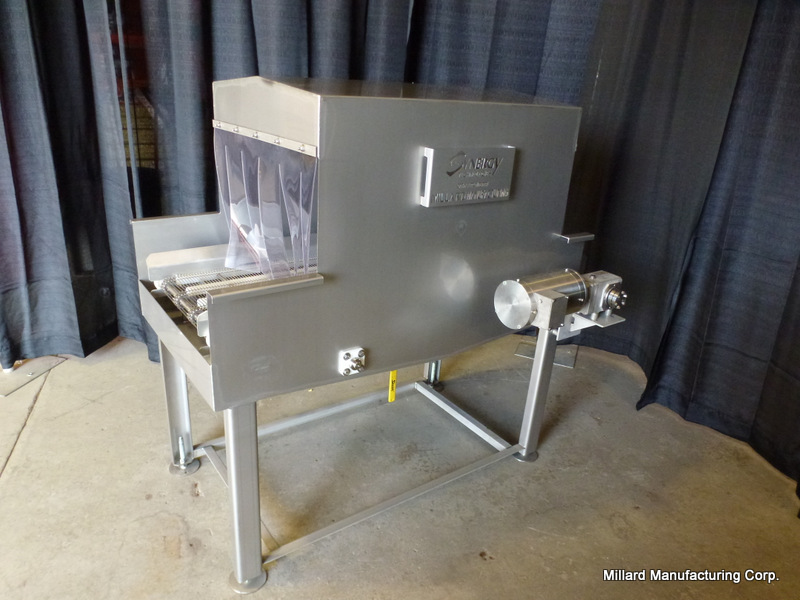

Intervention Delivery System
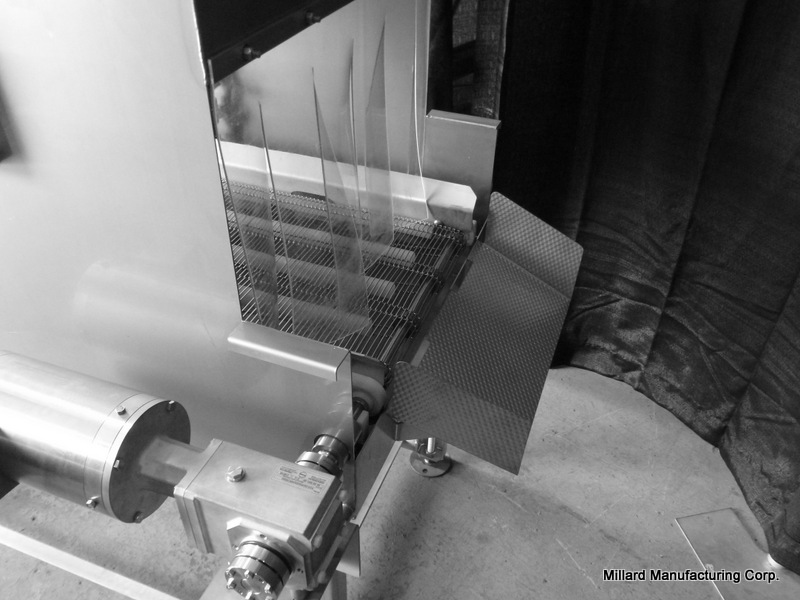
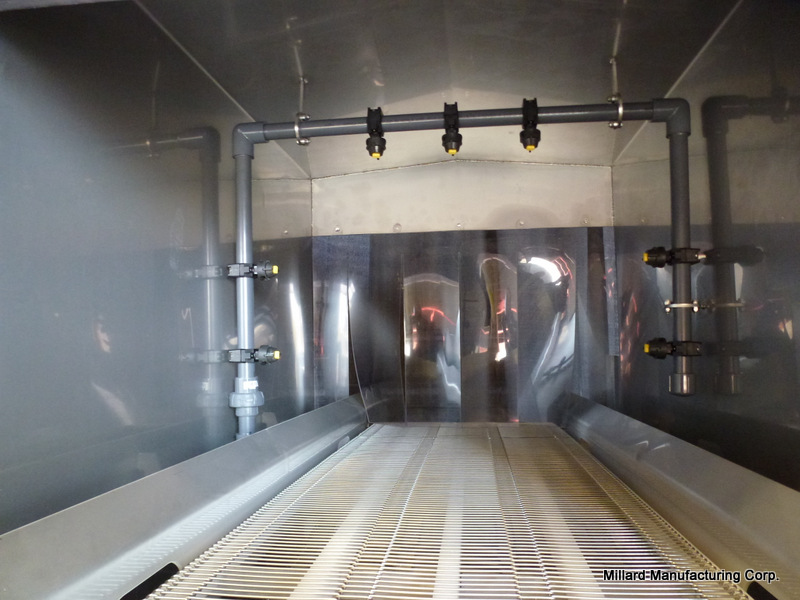
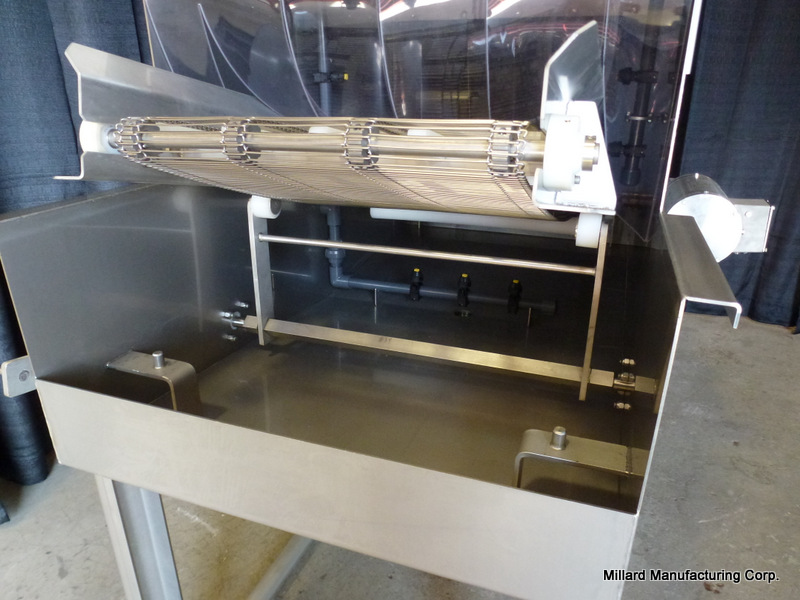
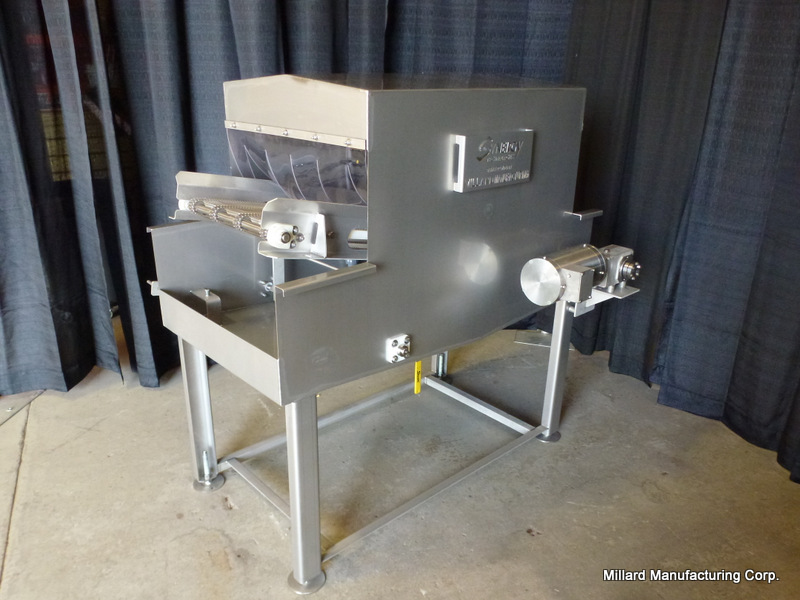
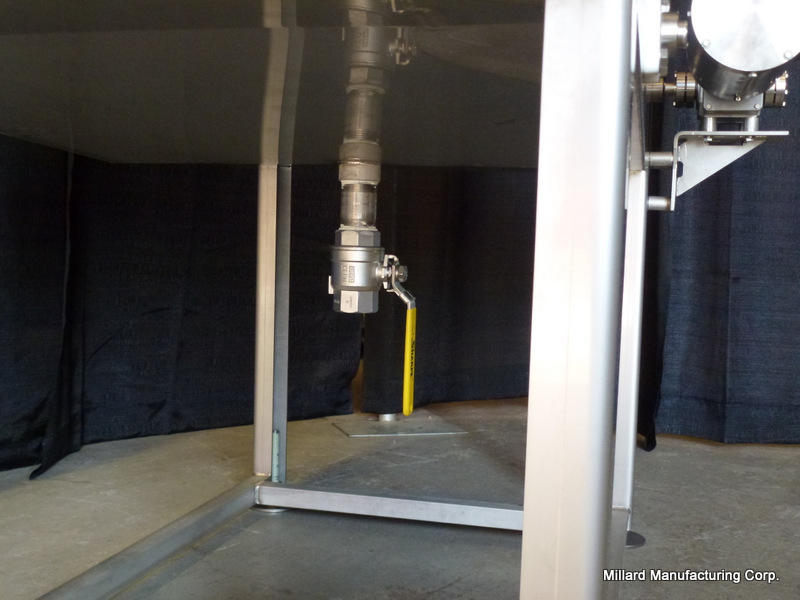
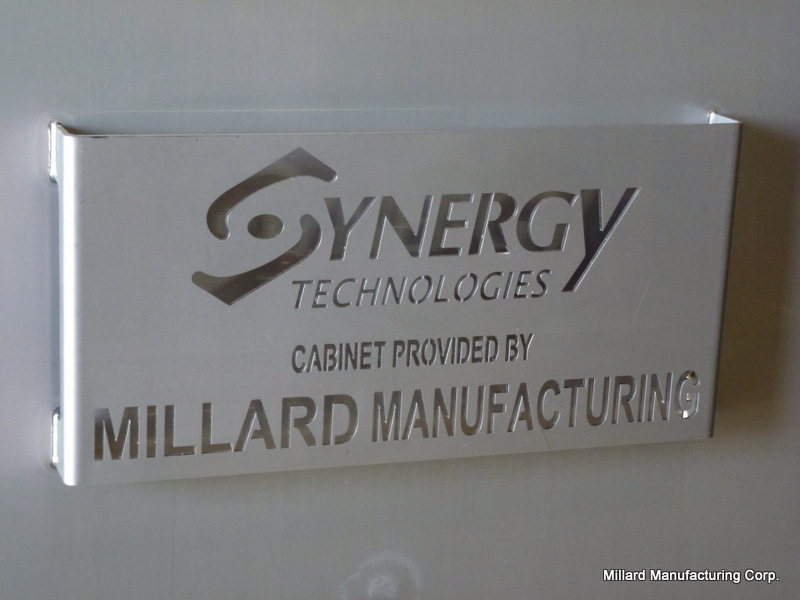
Millard has teamed up with Synergy Technologies to deliver a turnkey anti-microbial intervention system that is practical and economical. The intervention delivery cabinet is constructed of 316 stainless steel and utilizes an open stainless steel mesh conveyor belt. A single spray manifold system provides 360 degree coverage and includes a lift arm to raise the conveyor for easy cleaning. The system can be designed to stand-alone or be part of multi-unit configuration.
Features:
- 10 gauge 316 Stainless Steel construction
- Easy Cleaning with Conveyor Lift Arm
- 360 degree Spray Pattern
- Stainless Steel Motor and Reducer
- Adjustable feet for uneven surfaces
- Synergy Technologies’ chemical system
-
"In-House PassivationPassivation treatment is intended to improve the surface condition of stainless steel by dissolving iron that has been embedded in the surface during forming or machining. If allowed to remain, the iron can corrode and give the appearance of rust spots on the stainless steel. Passivation restores the original corrosion-resistant surface by forming a thin, transparent oxide film and is the preferred method for the sanitary durability of stainless steel. Millard has one of the largest "In-House" Passivation operations available for our customer's fabricated items. See our case study on passivation for details. for Sanitary Durability
- Options: Recirculation system, Caster wheels, and Automatic spray control

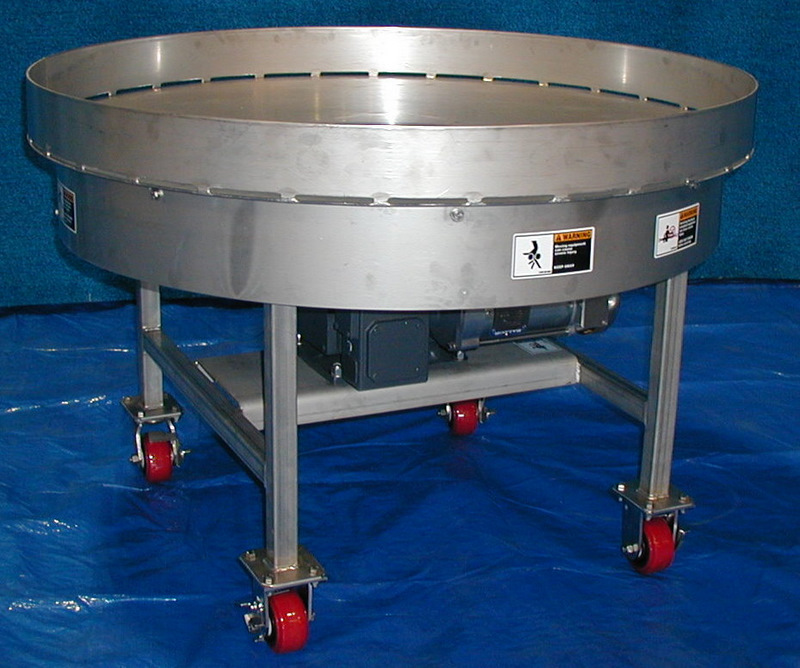
Lazy Susans
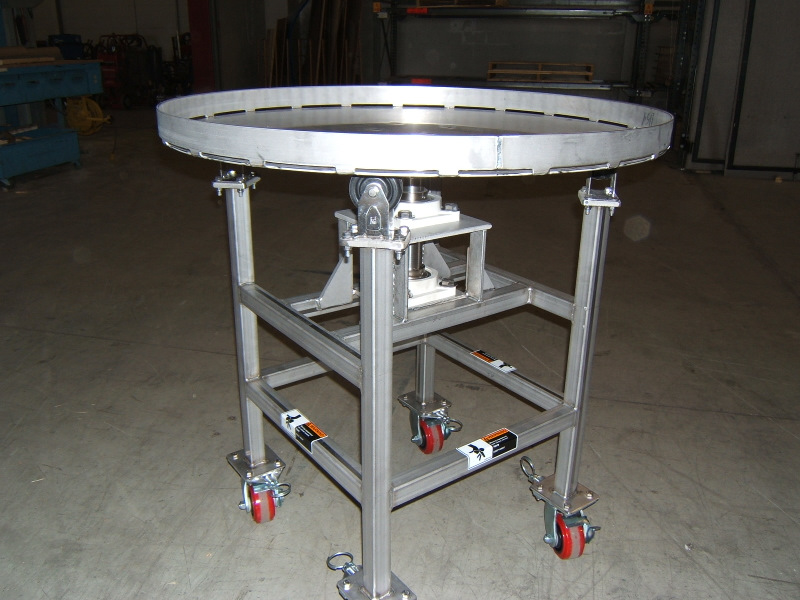
Our Lazy Susan turn tables are used for product accumulation common to further processing and pack off areas. Standard sizes are 48" and 60".
Features:
- Packaging accumulator for a variety of products
- 48" and 60" standard sizes
- Electric Driven
- Hollow-shaft mount center drive
- Heavy duty Motor and Gearbox
- Variable Speeds
- Heavy duty Stainless Steel Construction
-
"In-House PassivationPassivation treatment is intended to improve the surface condition of stainless steel by dissolving iron that has been embedded in the surface during forming or machining. If allowed to remain, the iron can corrode and give the appearance of rust spots on the stainless steel. Passivation restores the original corrosion-resistant surface by forming a thin, transparent oxide film and is the preferred method for the sanitary durability of stainless steel. Millard has one of the largest "In-House" Passivation operations available for our customer's fabricated items. See our case study on passivation for details. for Sanitary Durability
Media:
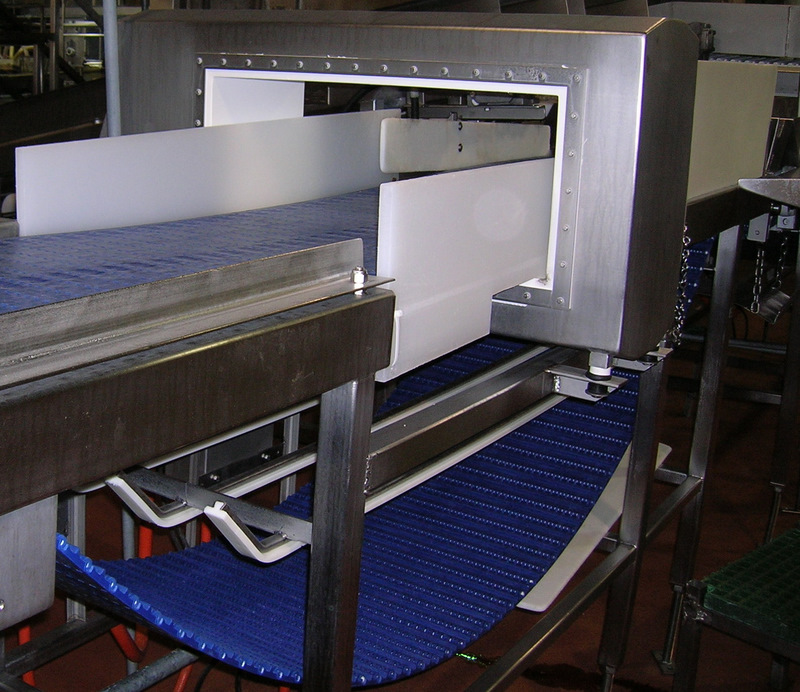
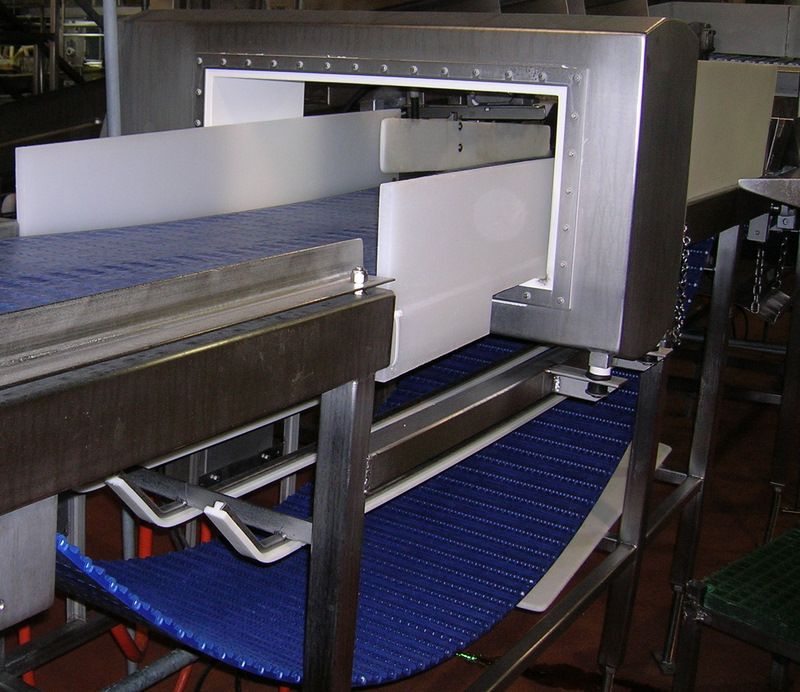
Metal Detector Conveyor
Millard's Metal Detector conveyor is our standard hygenic heavy duty conveyor design integrated with a SAFELINE® metal detector. We build the complete line with the metal detector, standard plastic belting, and a removable metal-free zone section.
Features:
- Intralox Belting (or customer specified)
- Removable "Metal-Free" formed Lexan zone
- Heavy Duty Stainless Steel Construction
- HD Motors and Gearboxes
- Custom lengths, widths, angles and configurations available
- Adjustable feet for uneven surfaces
- Integrated with SAFELINE® products
- Same standard features as our Belt Conveyors
-
"In-House" PassivationPassivation treatment is intended to improve the surface condition of stainless steel by dissolving iron that has been embedded in the surface during forming or machining. If allowed to remain, the iron can corrode and give the appearance of rust spots on the stainless steel. Passivation restores the original corrosion-resistant surface by forming a thin, transparent oxide film and is the preferred method for the sanitary durability of stainless steel. Millard has one of the largest "In-House" Passivation operations available for our customer's fabricated items. See our case study on passivation for details. for Sanitary Durability.
SS Screw Conveyors
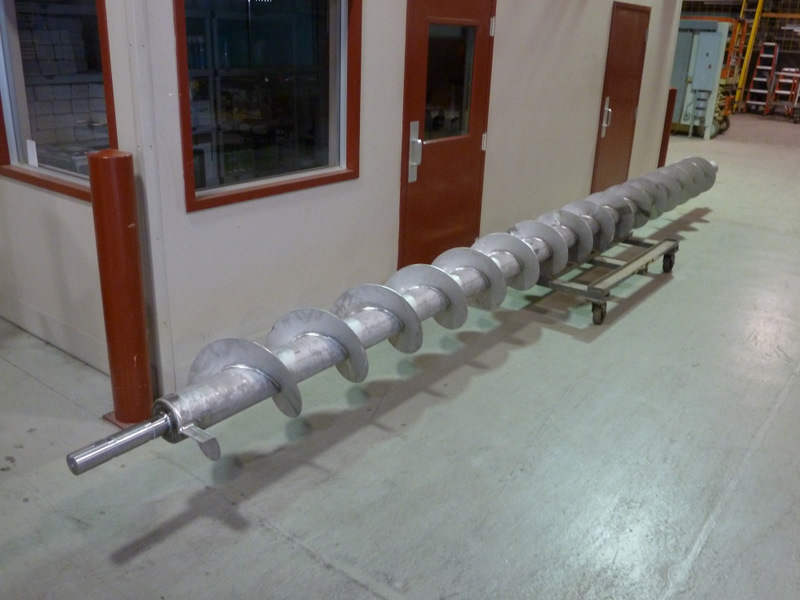
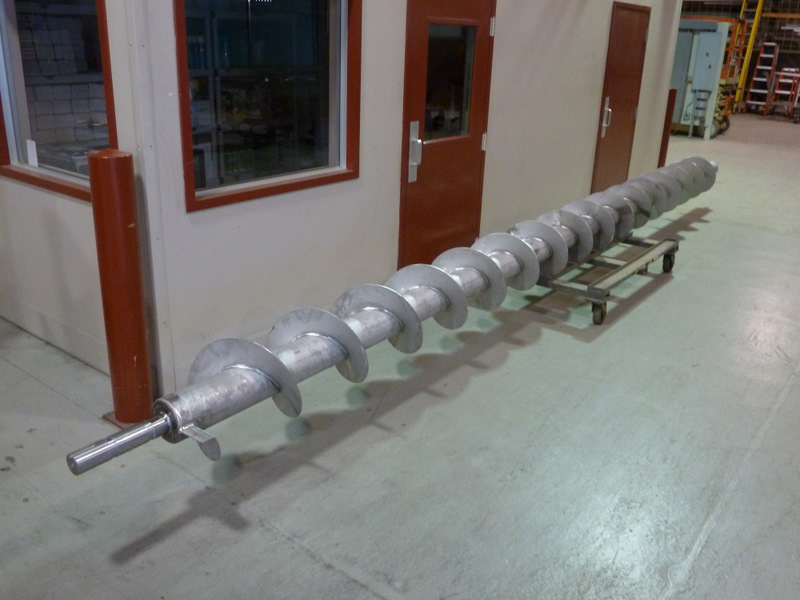
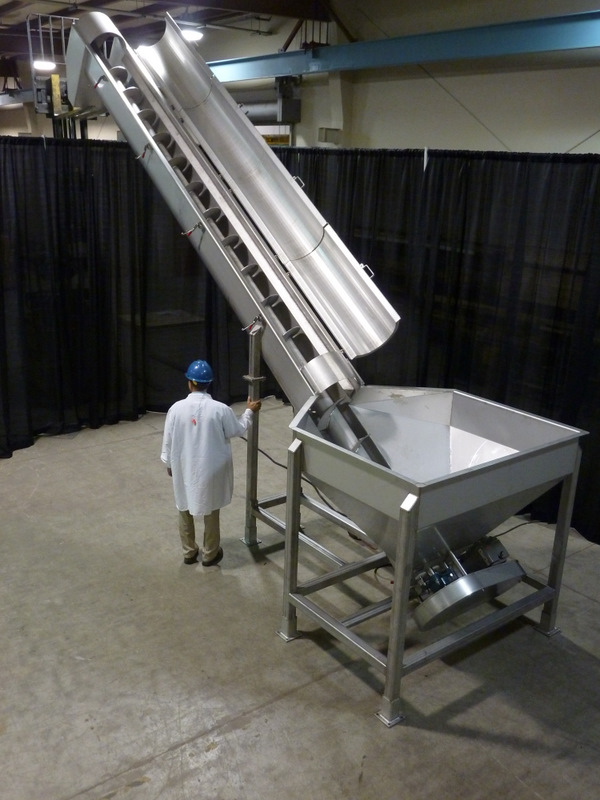
Millard's SS Screw Conveyors transfer and deliver product from one process to another or into containers. We produce 6", 9", 12", and 20" screw models. Mostly used on fat, trim, hams, muscles and other similar products. See our stainless sanitary Augers in the Support Equipment/Services category for more details and options.
Features:
- Heavy duty stainless steel construction
- Removable lids for easy cleaning
- Chain or Direct drives
- Custom hoppers
- Sanitary and seal welded
- Polished screws available per product needs
- Custom built to specific product applications
- Custom lengths, widths, diameters, angles and chutes as needed per your layout or product needs
- Heavy duty washdown motor and gearbox
-
"In-House" PassivationPassivation treatment is intended to improve the surface condition of stainless steel by dissolving iron that has been embedded in the surface during forming or machining. If allowed to remain, the iron can corrode and give the appearance of rust spots on the stainless steel. Passivation restores the original corrosion-resistant surface by forming a thin, transparent oxide film and is the preferred method for the sanitary durability of stainless steel. Millard has one of the largest "In-House" Passivation operations available for our customer's fabricated items. See our case study on passivation for details. for sanitary durability
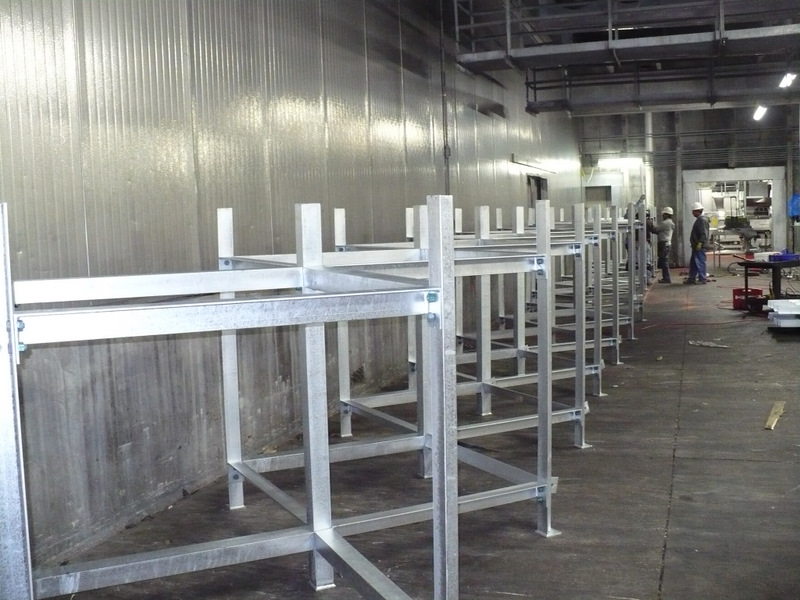

SS Vat Storage Racks
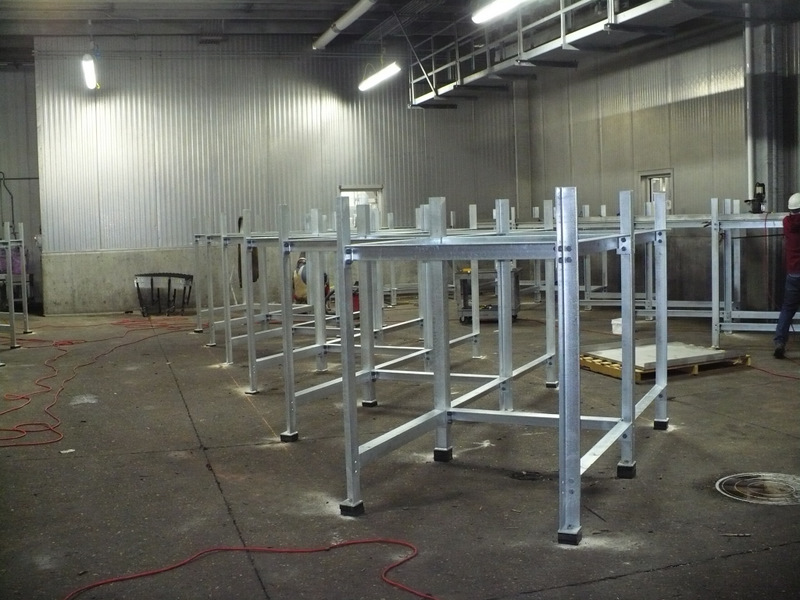
When a standard rack system will not work or painted carbon steel is not sanitary enough, Millard offers custom built Stainless Steel Storage Racking. We can engineer and custom build to fit your containers, vats, or combos.
Features:
- All stainless steel
- Load rated
- Engineer certified
- Welded, bolted, or a combination structure
- 1, 2, or 3 level(s) high
- Non-drip pans between levels
-
"In-House" PassivationPassivation treatment is intended to improve the surface condition of stainless steel by dissolving iron that has been embedded in the surface during forming or machining. If allowed to remain, the iron can corrode and give the appearance of rust spots on the stainless steel. Passivation restores the original corrosion-resistant surface by forming a thin, transparent oxide film and is the preferred method for the sanitary durability of stainless steel. Millard has one of the largest "In-House" Passivation operations available for our customer's fabricated items. See our case study on passivation for details. for Sanitary Durability
- Wash-down duty
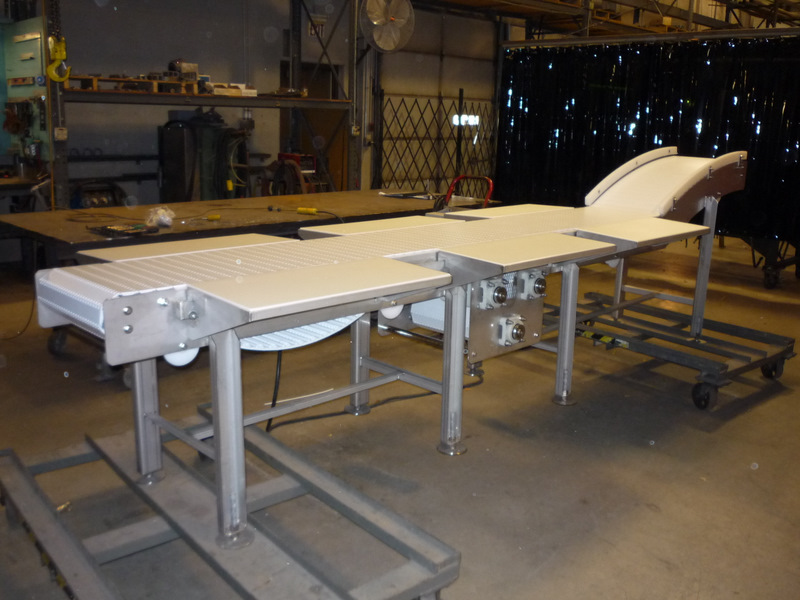
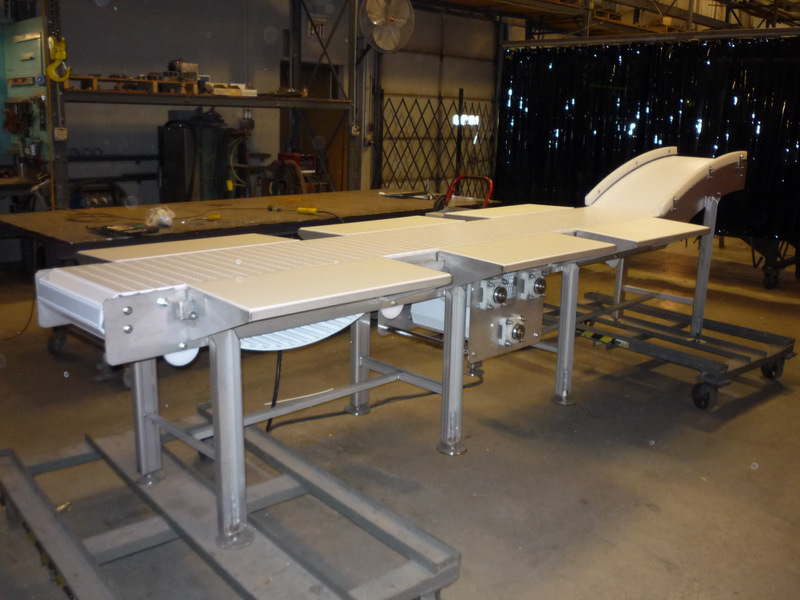
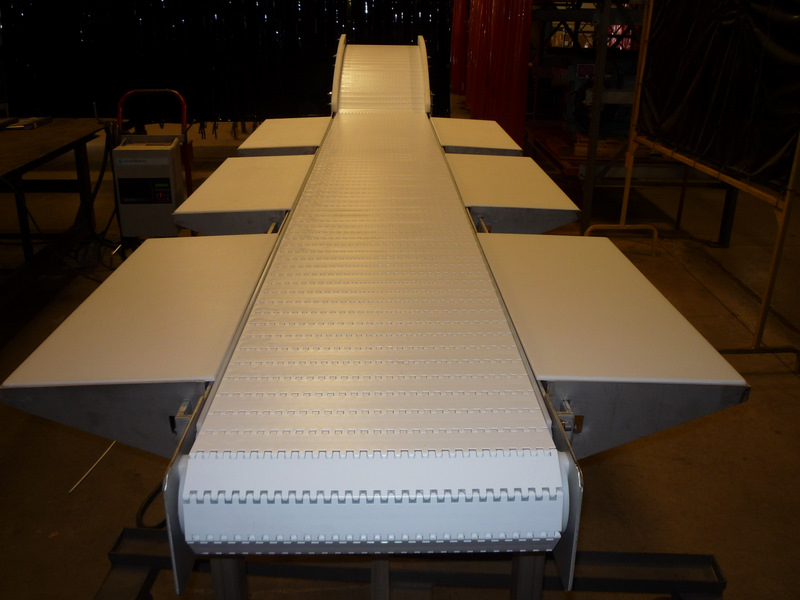
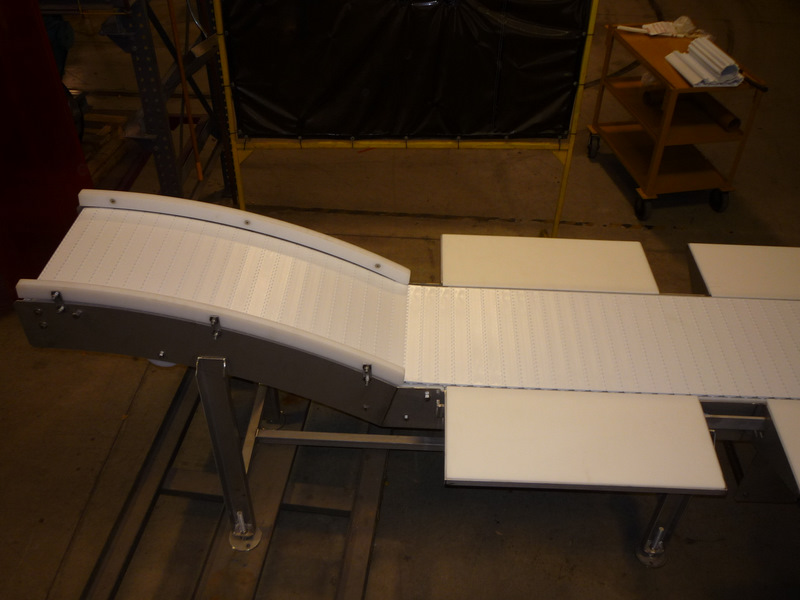
Tray Pack Conveyor w/Tray Stations
Our Tray Pack Conveyor w/Tray Stations provides a multiple conveyor system applicable for all cuts of beef. We provide a standard 18" center conveyor delivering the product while an overhead shelf houses the trays for production. A lower conveyor takes away the package or trimmed product that is processed on moveable trays along the main center conveyor.
Features:
- Unique Millard Sliding Tray feature
- Sliding Trays can be used for trimming or packaging
- Tray surface options
- Ergonomic Designed
- Wash-down duty for ease of cleaning
- HD SS construction
- Applicable to all beef cuts as well as box packaging
- Same standard features as our Belt Conveyors
-
"In-House" PassivationPassivation treatment is intended to improve the surface condition of stainless steel by dissolving iron that has been embedded in the surface during forming or machining. If allowed to remain, the iron can corrode and give the appearance of rust spots on the stainless steel. Passivation restores the original corrosion-resistant surface by forming a thin, transparent oxide film and is the preferred method for the sanitary durability of stainless steel. Millard has one of the largest "In-House" Passivation operations available for our customer's fabricated items. See our case study on passivation for details. for Sanitary Durability
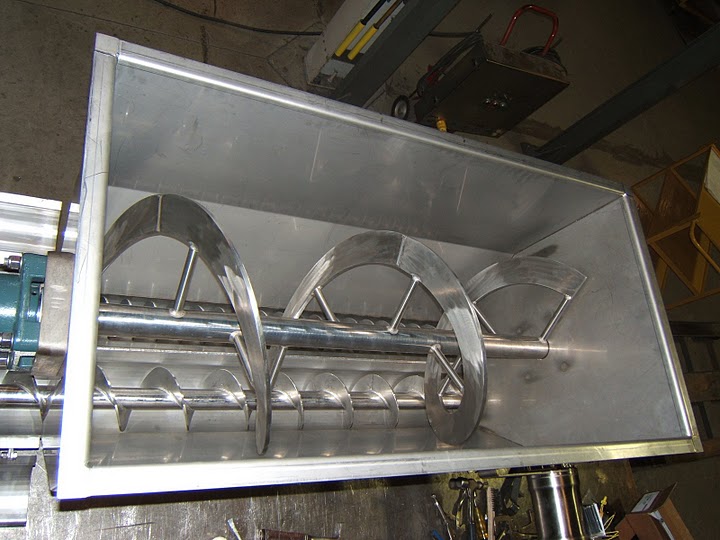



Volumetric Screw Hoppers
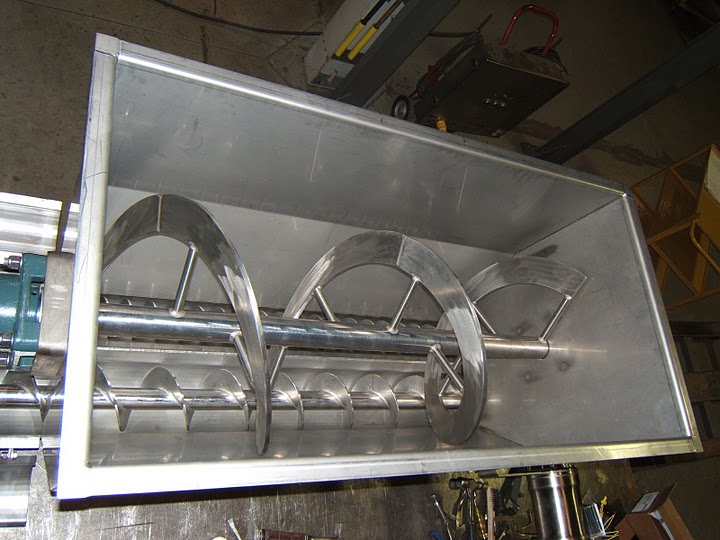
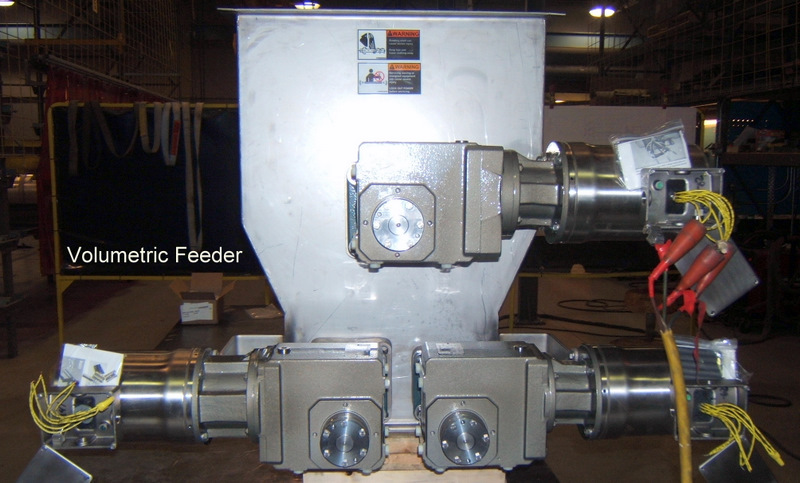
Millard produces some highly specialized machinery like our Volumetric Screw Hopper. This equipment uses a two-screw dispensing system to present an exact amount of product (generally tissue type like Hamburger) into a weigh hopper or scale for a secondary operation.
Features:
- All stainless steel construction
- Polished screw
- PLC driven
- Complete with controls
- Custom built to specific product applications
- Heavy duty motors and gearboxes
-
"In-House" PassivationPassivation treatment is intended to improve the surface condition of stainless steel by dissolving iron that has been embedded in the surface during forming or machining. If allowed to remain, the iron can corrode and give the appearance of rust spots on the stainless steel. Passivation restores the original corrosion-resistant surface by forming a thin, transparent oxide film and is the preferred method for the sanitary durability of stainless steel. Millard has one of the largest "In-House" Passivation operations available for our customer's fabricated items. See our case study on passivation for details. for sanitary durability


402-331-8010 • www.millardmfg.com designed by Chip Thompson